The first day of preschool is a monumental milestone. For a child, it’s a giant leap into a new world of friends, teachers, and exciting activities. For parents, it’s a moment filled with a mixture of pride, nostalgia, and maybe a little anxiety. The transition from home to a structured learning environment can be an emotional journey for everyone involved. The good news is that with a little thoughtful preparation, you can transform this day from a potential source of stress into a joyful and positive experience.
Preparing your child for their first day of preschool is more than just buying a new backpack. It’s about laying a foundation of emotional readiness, social skills, and a sense of routine that will help them feel secure and confident. Think of it as a collaborative effort between you, your child, and the wonderful team at their new school. By working together, you can ensure their first steps into this new chapter are taken with a smile. This guide will walk you through a comprehensive approach to preparing your little one for a successful and happy start at preschool.
The Power of Conversation: Starting Early and Staying Positive
One of the most effective tools you have is your voice. Long before the first day arrives, start talking about preschool in a positive and exciting way. Frame it as a new adventure where they will get to play with new toys, sing new songs, and make new friends.
- Read Books About Preschool: There are countless children’s books that specifically address the topic of starting school. These stories can help your child visualize what their day will be like and normalize any feelings of nervousness they might have. They also provide a great opportunity for you to discuss their feelings and answer any questions they may have in a low-pressure way.
- Talk About the Teachers and Classmates: Introduce the idea that there will be a kind teacher who will help them and other children to play with. You can use phrases like, “Your new teacher is so excited to meet you!” or “You’ll have so much fun building with blocks with your new friends!”
- Address Feelings Openly: It’s okay for your child to feel a little scared or sad. Acknowledge these feelings without judgment. You can say, “It’s normal to feel a little shy on the first day, but you are so brave, and I know you’ll have a great time.” This validates their emotions and builds trust.
Establishing New Routines: The Key to a Smooth Transition
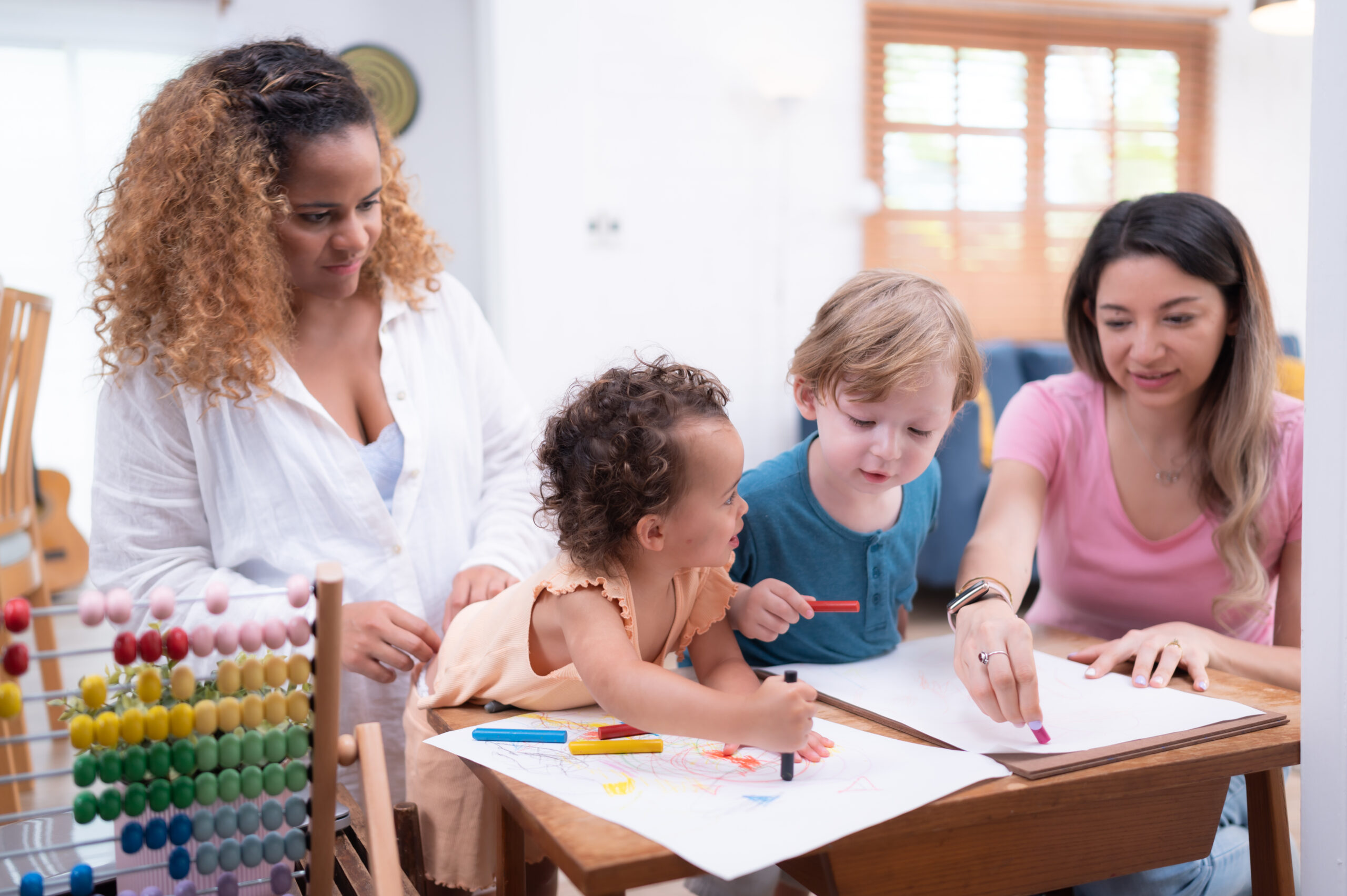
Children thrive on routine. The predictability of a schedule provides a sense of security and control. The transition to preschool often involves a new daily rhythm, from wake-up times to mealtimes and nap schedules. By practicing these new routines in advance, you can make the first day feel less jarring.
- Practice the Morning Routine: A week or two before school starts, begin to wake up at the time you will need to on school days. Go through the motions of getting dressed, eating breakfast, and packing the backpack. This helps your child’s body and mind adjust to the new schedule.
- Practice the Goodbye: The goodbye is often the most challenging part of the first day. Role-play a quick and confident goodbye. You can say something like, “Mommy is going to give you a big hug, and then I’ll see you after school!” Practice this with a caregiver or even a friend’s house. This helps your child understand that a goodbye is temporary.
- Visit the Preschool: Many schools offer an orientation or a chance to visit the classroom before the first day. Take advantage of this opportunity. Let your child meet their teacher, see the classroom, and explore the play area. This familiarizes them with the new environment and makes it feel less intimidating.
Mastering Self-Help Skills: Fostering Independence
Preschool is a place where children learn to do things for themselves. Having some basic self-help skills mastered before the first day can boost their confidence and make them feel more capable in a group setting.
- Potty Training: While many preschools have different policies, being reliably potty trained is a significant step. If your child is still in the process, communicate with the preschool staff about their policy and how you can work together.
- Dressing Themselves: Practice putting on their own shoes, jackets, and pulling up their pants. This gives them a sense of independence and reduces the need for constant teacher assistance, allowing them to focus on playing and learning.
- Eating and Drinking Independently: Practice opening their own lunch box, unwrapping snacks, and drinking from a sippy cup or water bottle without assistance. This will make snack time and lunch time much smoother for everyone.
The “All About Me” Box: A Comforting Connection
Create a small, special box or bag that your child can bring to school. This isn’t just a place to put their lunch; it’s a source of comfort and a conversation starter.
- A Family Photo: A small, laminated photo of their family can be a wonderful source of comfort. When they’re feeling a little lonely, they can look at it and be reminded of your love.
- A “Comfort Object”: Many schools allow a small comfort object, like a favorite stuffed animal or blanket, for the first few days. Check the school’s policy on this.
- A Special Note: Write a small, loving note for them to find in their lunch box. It can say, “I love you!” or “Have a great day, superstar!” This is a sweet surprise that can brighten their day.
The Day-of-the-Week Checklist: Making the First Day Go Smoothly
The night before the big day, get everything ready. This reduces morning chaos and stress for both you and your child.
- Lay Out Their Outfit: Choose comfortable, easy-to-manage clothes. No complicated buttons or zippers.
- Pack the Backpack: Pack their backpack with everything they need: a change of clothes, their comfort object, and a lunch box with a favorite snack.
- Set a Special Alarm: Let your child choose a fun song or sound for their morning alarm. This makes waking up feel a little more special.
- Have a Special Breakfast: A favorite pancake or oatmeal can make the morning feel like a celebration rather than a chore.
Navigating the Goodbye: Quick, Confident, and Positive
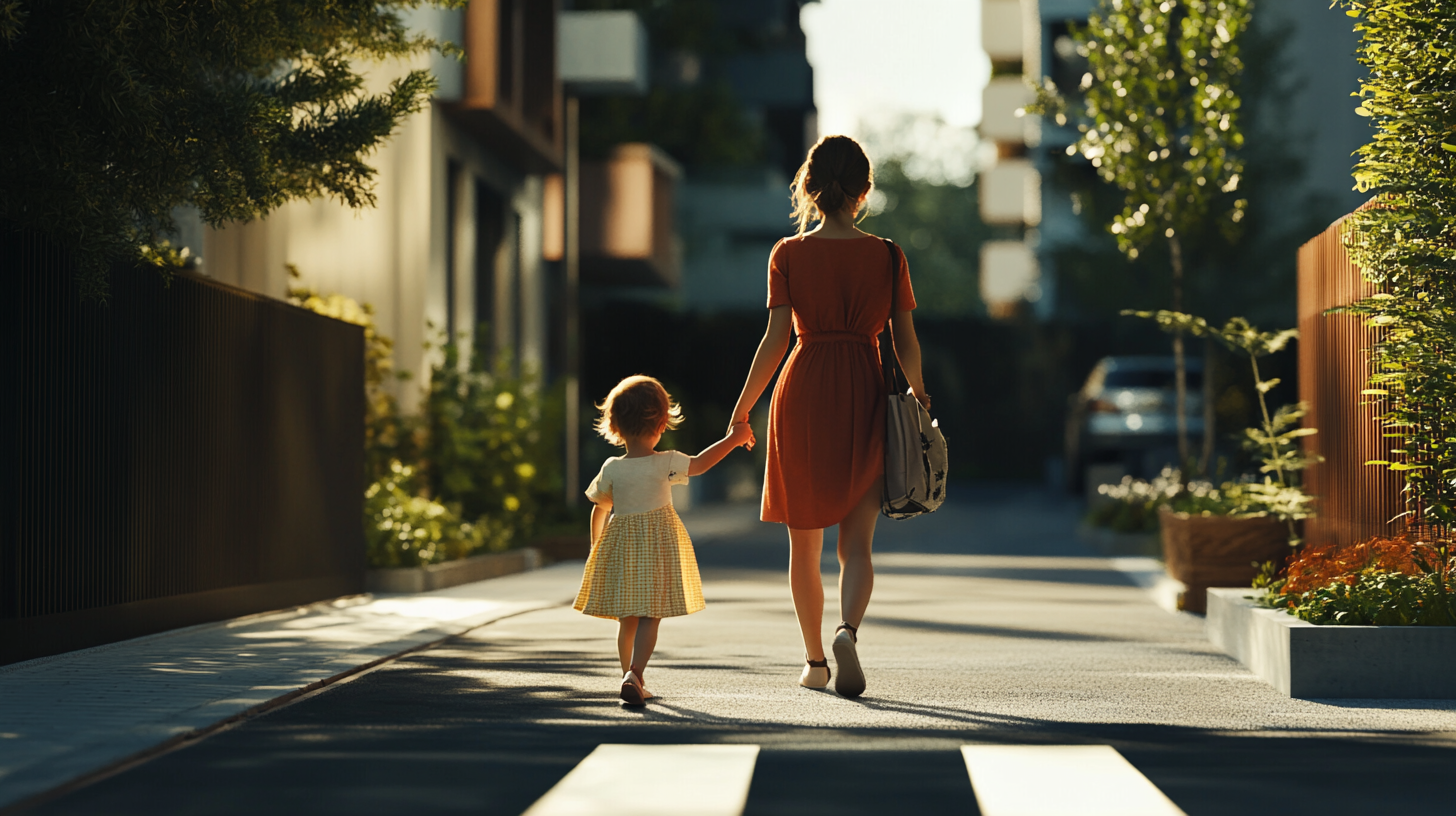
The final moment of dropping off your child can be the most challenging. The key is to be confident, quick, and positive. Your child will pick up on your emotions. If you are anxious, they will become anxious.
- Stay Positive and Upbeat: Keep your voice cheerful and your body language relaxed. Say, “I love you, and I can’t wait to hear all about your day!”
- Give a Quick Goodbye: Avoid lingering. A long, drawn-out goodbye can make things harder. Give them a big hug and a kiss, then confidently say, “I’ll see you later!” and leave.
- Trust the Teachers: The teachers are experienced professionals who know how to handle separation anxiety. They will comfort your child and help them get engaged in an activity. Trust their ability to care for your child.
Conclusion: A Foundation for Lifelong Learning
Preparing your child for their first day of preschool is an investment in their future. It’s about setting them up for a successful and positive experience that will lay the foundation for a lifelong love of learning. By taking the time to address their emotional needs, practice new routines, and build their independence, you are giving them the tools they need to thrive.
At Open Doors Preschool, we believe in a partnership between home and school. We are committed to providing a nurturing, stimulating, and safe environment where every child can feel confident and happy. We understand that this is a significant step, and our dedicated teachers are here to support your family every step of the way.
Ready to give your child the best possible start? Contact Open Doors Preschool today to learn more about our quality early learning programs and discover how we can partner with you to make your child’s preschool journey a memorable one.
FAQs about the First Day of Preschool
Q: What if my child cries when I leave?
A: It is very common for children to cry during the first few drop-offs. This is a normal reaction to a new situation. The key is to be confident and quick with your goodbye. Avoid lingering, as this can make the situation more difficult. Trust the teachers, who are experienced in comforting children and redirecting their attention to fun activities. In most cases, the tears stop shortly after the parent leaves, and the child quickly becomes engaged in play. You can also ask the teacher to send you a quick text or photo a little while after you leave to reassure you that your child is happy and engaged.
Q: What should I pack in my child’s backpack?
A: Your child’s backpack should contain a few essentials. Always pack a complete change of clothes, including socks and underwear, in case of spills or accidents. A small, healthy snack and a labeled water bottle are also a good idea. Many schools have a specific lunch policy, so be sure to follow their guidelines. Additionally, a special comfort item, like a small stuffed animal or a family photo, can provide a great sense of security. Make sure to label everything with your child’s name to prevent mix-ups.
Q: How can I help my child make friends?
A: You can help your child by practicing social skills at home and in other settings. Encourage them to share toys, take turns, and use their words to express their feelings. When talking about preschool, focus on the fun of making new friends. You can also talk to the teacher about who your child is connecting with in the classroom. Many teachers will also pair children up for activities to help foster friendships and social interaction.
Q: When should I start preparing my child for preschool?
A: It’s never too early to start! A great time to begin is about one to two months before the first day. This gives you plenty of time to read books, talk about the new school, and gradually adjust to a new routine. The goal is to make the idea of preschool a familiar and exciting one, rather than a surprise. Start with small conversations and gradually build up to practicing routines and self-help skills.
Q: What if my child is not fully potty trained?
A: Many preschools have different policies regarding potty training. It is essential to communicate with Open Doors Preschool about their specific policy. Some schools require children to be fully potty trained, while others are more flexible and will work with you. In any case, it is helpful to send your child to school with several changes of clothes and to let the teacher know where they are in the potty-training process. Consistency between home and school is key to success.
